Awkward Times 

As I have mentioned in previous blogs my personal growth was retarded, not because I had a mental condition where I was incapable of learning, but because of my speech impediment and sheer laziness on my part that before I knew it, I was three years behind in my schooling. 

It wasn’t bad, especially when I finally got out of the Special Education program, I had spent a good portioned of my early learning at, to find myself in regular school with “normal kids.” 

Here’s where it became interesting and awkward for me in that time when at twelve years old, I entered fourth grade and also started puberty. Can you imagine my embarrassment upon going into the restroom and seeing preteen boys who weren’t blessed as I was when I noticed I had hair down there and they didn’t. Needless to say, I went last or used the toilet stalls for privacy. 

There were more disadvantages later on, especially junior, and senior high schools where I could not ask a girl out on dates because I was already legally an adult. The girls were at least fifteen to eighteen years old, and anything more than a casual get together at the local Dairy Queen, was more than likely illegal, so I never bothered. 

That of course, caused another issue that plagued me later, rumors that I was homosexual because I hung out with guys and not girls. Of course nothing could be further from the truth. I was and still am 100 percent heterosexual. The rumors, I suspect were created by those who didn’t like me and considered me lacking somehow because of my cleft lip and pallet, my age in relation to everyone else in my class, and my own awkwardness, lack of confidence with the opposite sex that most likely motivated these buzzes. 

As Goebbels, Hitler propaganda chief famously stated, if one told a lie enough everyone would believe it as truth. Hence, years after I had graduated from high school, and even after coming back from college, the gossip of my sexuality persisted. Out of both frustration from these allegations and my own conflict with my roommate of that time—also a man—I moved away from West Richland, ending up in Pasco and later, Kennewick before ultimately coming up to Spokane in 1998. 

Cactus Flower 

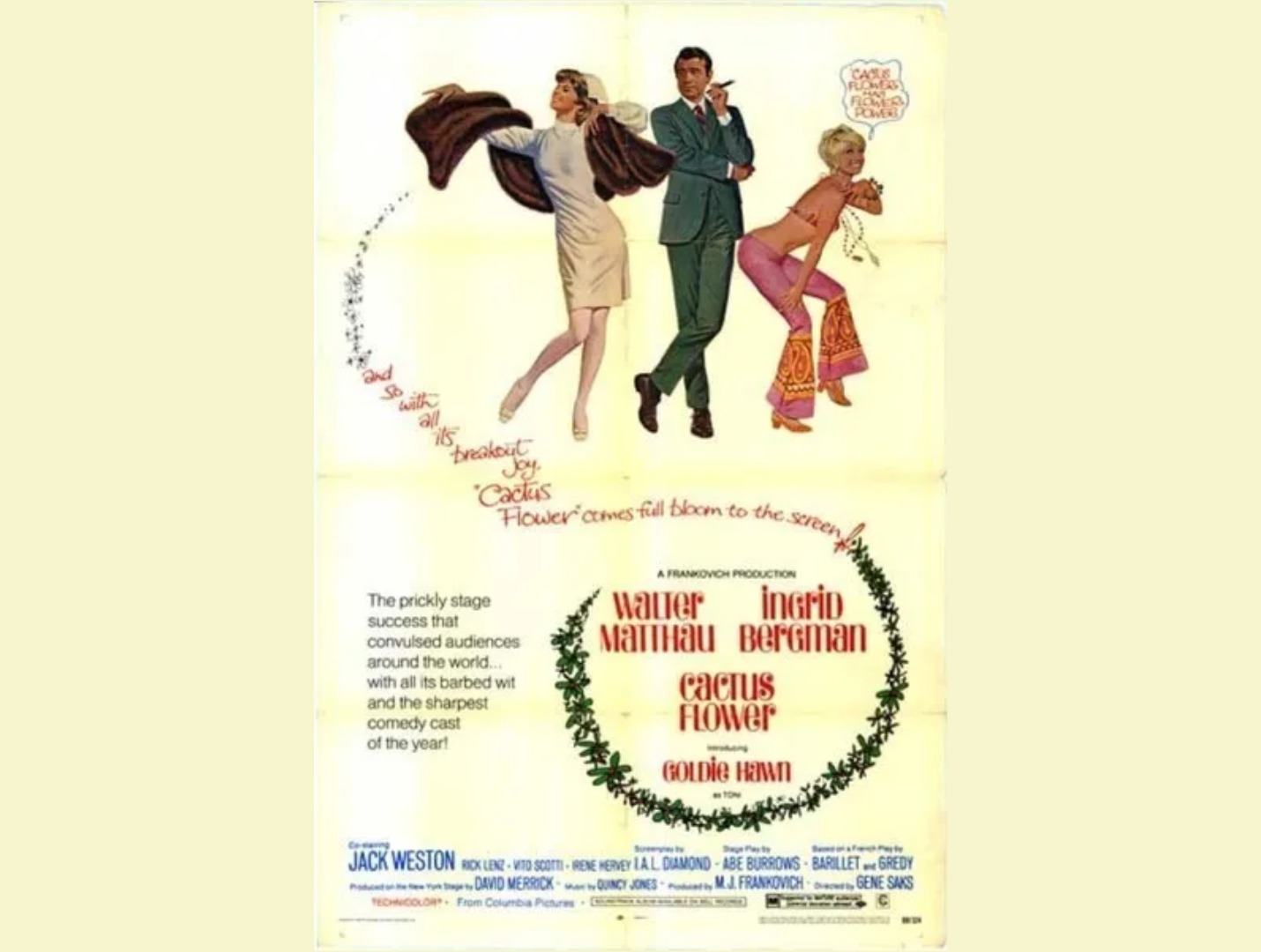
I lost my cousin Ron yesterday and I will definitely miss him, not for his life experiences, though there were many, one experience that we shared in 1969 while visiting our grandmother, a movie we went to called Cactus Flower. 

Uncle Hal had brought Ron with him. I can’t recall if he brought his daughters too, but at any rate there we were two cousins related by the blood of our grandmother who gave birth to Hal and Mom, staring at each other, a pair of toe headed boys. I had crew cut blonde hair and his was only slightly longer brown hair. He was a couple inches taller and looked stronger than me. Upon the introduction he cut the ice by asking, “You wanna go for a walk?” 

He of course, like all my Easley clan had a distinctive southern drawl that definitely made it known how his cornbread was buttered. 

“Sure,” I replied, and we walked together into Childress, a small Texas community set near the panhandle. 

“Pa said y’all from Warshington?” 

“It’s pronounced ‘Washington,’” I corrected. 

“What part?”  

I glanced at him before replying, “The eastern part, called East Wenatchee. We don’t live in the capital, you know.” 

“Pa said you probably talk funny too. He said you was born with a hare lip like your ma?” 

I didn’t like admitting that part of my life. The cleft lip and pallet made me talk in a nasally tonal sound where my esses sounded like a lazy Esh-like sound. “Yeah, that’s right,” I admitted. 

“You talk funny, but I think I like you.” 

“It’s hot out here, isn’t it?” 

“Sure is, but it doesn’t get hot up there in East Wenatchee?” 

“No, not nearly as hot up there,” I replied as we continued going into town and along the main street where we happened inside a store. I never paid it a Nevermind as we wondered about the shelves and then went by a grandfatherly looking man wearing glasses standing behind an antique cash register that I figured was as old he was. 

“How old are you?” I asked Ron. 

“Twelve, how about you?”  

“I’ll be eleven on September 2nd.” 

“No kidding?” 

“I don’t kid about that. You got brothers or sisters?” 

“I have two sisters. They’re both younger than me.” 

“Same here. One is adopted and the other Mom had almost two years ago,” I told him as we left the store and continued down the street, purposefully missing the cracks on the sidewalk we walked on. 

“What grade are you in?” 

Again, another personal question I didn’t feel comfortable about answering honestly. “They have a movie theater here too?” We stopped at the marquee of a theater with the colored illustrated cinema advertisements showing us young and impressionable boys promotions of upcoming movie fare.  

“Y’all wanna go see one?” 

“You think our parents will allow it?” 

“All we got to do is ask,” he replied logically. 

“What movie do you think they’ll let us watch?” I saw one that seemed a bit risqué as the advertisement showed what appeared protests and white woman wearing only a bra and a black man apparently manhandling her. The other showed Goldie Hawn and the movie Cactus Flower. “I like her,” I exclaimed. “She’s funny on ‘Laugh-In.’” I pointed at her. 

“It’s playing tonight,” Ron stated as he read the billboard. “It starts at 6:30.” He stared briefly at the billboard, then announced, “Well, let’s get back to Grandma’s and see what Pa and Aunt Mary says.” 

His use of him titling my mom and aunt took me aback briefly. I nodded and we headed back. Just before we reached the house, hearing the blowing fan of the swamp cooler, we got sidetracked by a young neighbor girl, wearing shorts and light red polka-dot blouse and flip-flops. She was about my age, and he was as smooth as Robert Redford when he said, “Hey there, what’s your name?” 

“Sue Ellen, what’s yours?” She smiled coyly. I felt like odd kid out here as I bashfully took a step back and they proceeded to talk. 

“Ron Easley, and this here is Jerry. He’s from East Wenatchee, Warshington. Don’t be shy! Say hey to her.” 

“Hi,” I said with my head down, feeling many shades of red flash upon my young face. 

“Y’all related to Ms. Lulu?” She asked. 

“That’s our grandma,” Ron exclaimed. “Where you live at?” 

“Right here. That’s my house,” she replied. 

“We’re gonna ask to go see a movie. You want to come too?” Ron was all over this and I just let him be the man about town with this cute little girl. 

“That’ll be fun! Wait here and I’ll go ask my ma.” She then ran up to the porch, through a screen door that slammed with purpose and her screaming “Ma! Can I go to the movie with Ms. Lulu’s grandsons? They’re cousins!” 

“So long as it’s okay with Ms. Lulu,” we heard her mother reply with just as loud a voice as her daughter’s. 

I looked side-long at Ron a moment hoping his assertive personality carried over to his father and my mother. Dad wasn’t a problem. He rarely said no. It was Mom I had to curry favor with to be given permission to go anywhere. And this adventure would be a first for me. I never went to a movie at night with kids my age. 

“Hey Pa!” He called out just as we walked inside Grandmas cool house. Not only was the swamp cooler going hundred miles per hour, but she also had portable fans blowing and circulating in all directions. 

“What is it?” Uncle Hal asked. 

“Cousin Jerry and me and Sue Ellen, a girl across the street want to go to a movie at the theater. Can we go?” 

“You gonna be in charge?” He asked. 

“Yes sir,” Ron replied puffing out his chest. 

“Mary Jane, are you okay with this?” 

Mom seemingly took humor in this for some reason and giggled before telling me, “You do what your cousin tells you. Don’t be naughty or you’ll get a spanking. Am I clear?” 

“Yes, mom,” I replied soberly. After all, she showed me the paddle hanging on hook near the pantry the first time we came here in 1966. 

After dinner, we dressed in our clean pants and t-shirts and cleaner sneakers. Sue Ellen showed up around that time and we sat in the parlor. I had by this time relaxed my disposition and was teasing the young girl while Ron told stories of how many different bases he and his family had gone to since he was born. 

Then, Uncle Hal and Dad took us to the theater, giving each enough for the movie and an extra dollar for snacks. I watched the movie and though there were a few funny scenes, most of the dialog went over my head, and I’m sure over the heads of my cousin and our girl friend. We sat through and left the theater. Outside was still hot though it was dark. 

A car horn blasted, and we turned to see Mom and Grandma sitting in Dad’s car waiting for us to come out. We piled into the car and none of us knew the future ahead of us or what fate awaited us. 

Sue Ellen died fifteen years ago. Breast cancer took her and yesterday Cousin Ron went to see our Lord and Savior Jesus Christ. Rest in Peace, cousin.

Writings Update 

My loyal fans I’m giving you an update on my writings thus far. I’m slowly making progress on my African American cowboy western, Nate Turner. He’s done the runaway slave, worked as a stevedore at a Cincinnati dock, joined the Civil War, became a cowboy herding cattle up the Chism Trail to Kansas City and is now making his life as a family man in Miles City, Montana. 

I received some good news from another hybrid publisher called Atmosphere Press. They want to publish Dog Named Boo.  It’s the first book of the Mark Marteau Mystery Series, which has as the protagonist a young man who has a past that’s coming back to haunt him big time. Mark Marteau is an FBI agent who handles this case that starts years earlier as the shooting of this man’s dog named Boo. 

I’ve been working on editing my manuscripts now since this new project has taken so long. The last one I sent back to my beta reader to check is called Deitrich. This one is about a German expatriate living in Cuba framed for assassinating the head of Cuba’s State Security. The Tequila Sunrise detectives of Pedro Lopez, Manuel Morales, and Rachael Brodzinski are asked to solve this murder. 

That’s about it for now my loyal readers. Hopefully, in a few months I can update you some more on my progress. Thank you all for your continued support. 

Red Dress Event

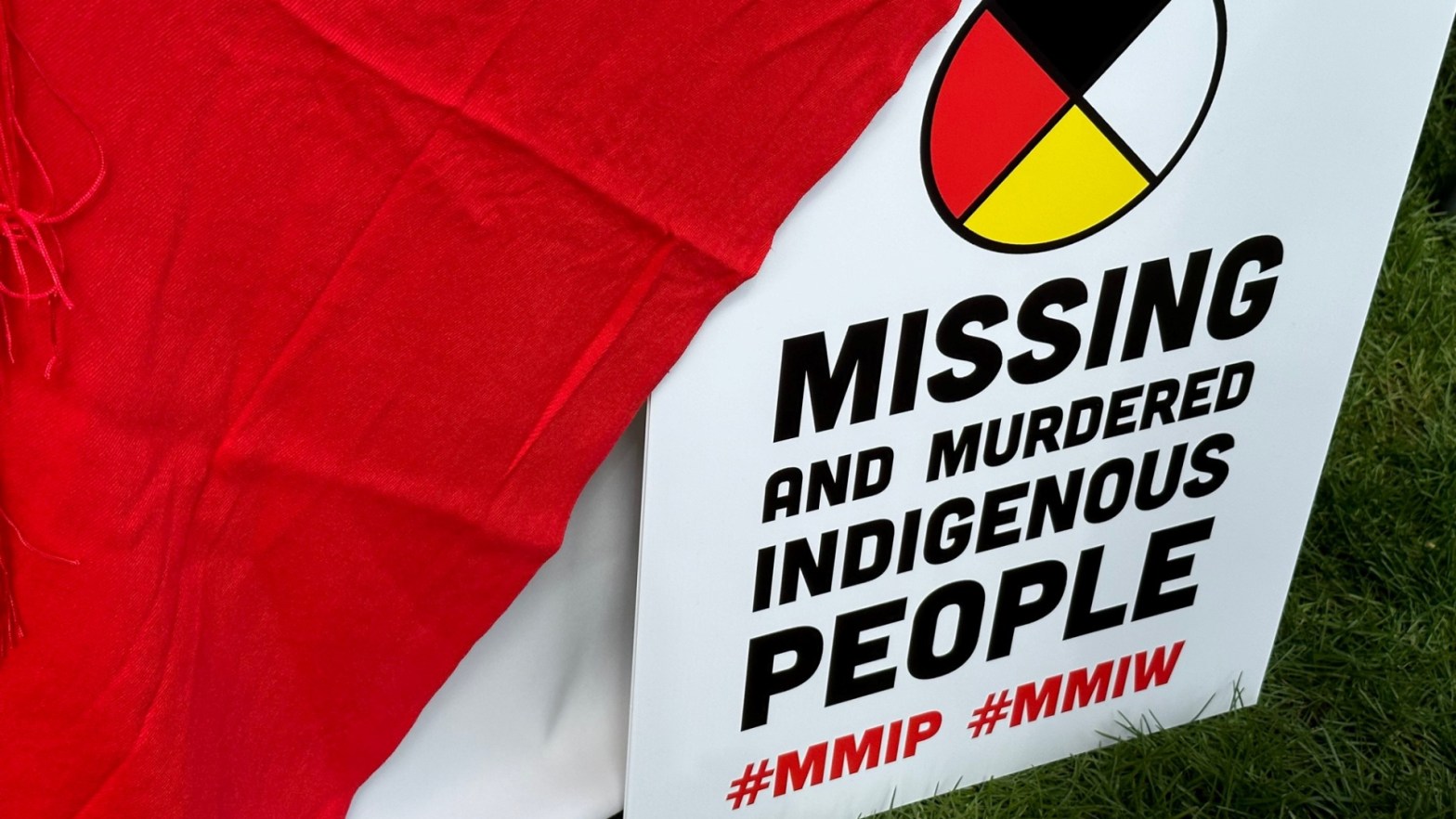
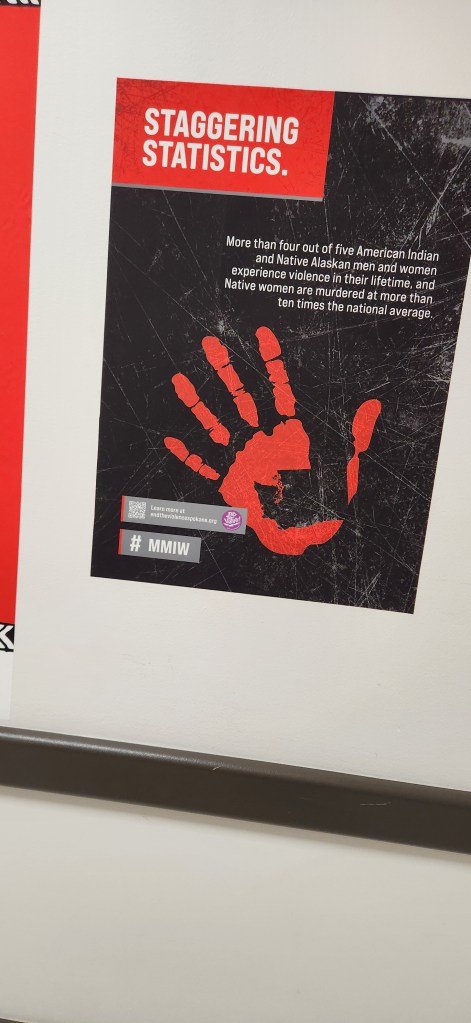
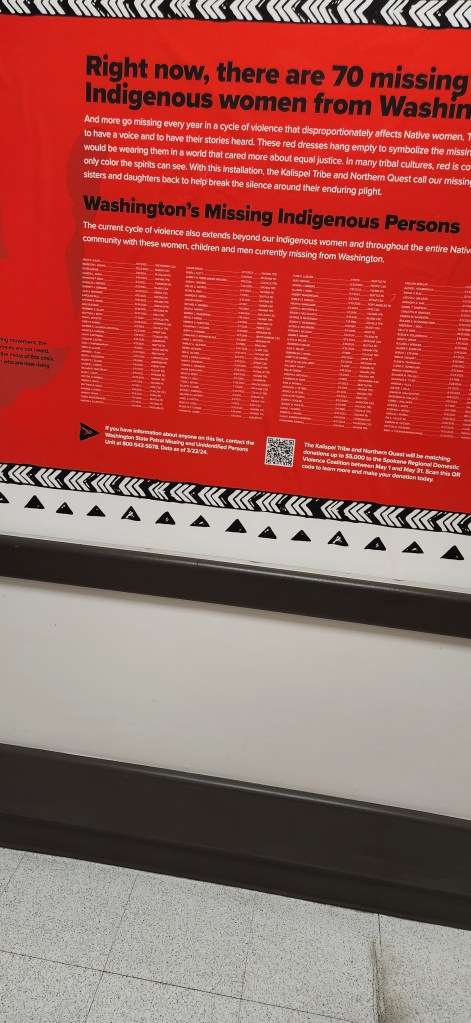
Today is Missing Indigenous Peoples’ day. There’s a display dedicated at the casino I work for. There are red dresses hanging along a wire line that gives homage to all the young girls and women murdered or missing in the United States. In Washington State alone there are seventy-three such victims. 

I have a manuscript that deals with this very topic, called Luke Warm. The premise is that the main character stumbles upon a murdered woman. She was a Native private detective and her partner Nick Roberts helps Luke Warm, a local television reporter investigate who done the murder. Later it’s revealed that a Native Elder is responsible for having young girls abducted and auctioned off to become sex slaves. 

Human trafficking is plain wrong. Slavery in any form has been banned worldwide, yet unscrupulous people with amoral beliefs system continue doing this because it’s another way for them to make money off the suffering of others. It is hoped that those of us with the moral resolve will help in some way to alleviate this spectacle forever. 

Another Incident in Northern Idaho

Excerpt from A Man’s Passion: “Passion, if used wisely, is a good thing, but Pa, his passion was sinful and hateful, as you shall see.”

My loyal readers I brought up this passage from the book I wrote, not because I take pride in my literary deeds, but because an incident occurred last week that pretty much reinforced how many people who don’t live in this part of the Pacific Northwest just assume is par for the course. Trust me, it’s not.

On Thursday, March 21st, a group of University of Utah women basketball players walked to a local restaurant to dine when a pair of men, driving lifted pickup trucks, revved their engines and drove passed them yelling out racist language at these young student athletes.

I’m an adamant anti racist and antifa as well. I don’t ever condone narrow minded and bigoted people who express hateful language, especially toward young ladies who don’t deserve such abuse. I wish I could have been there on that street witnessing this childish behavior. Of course, I also wish I had Shaquille Oneal’s or Mike Tyson’s size to match my bravado so that I could have told those two individuals what I thought of their behavior.

As it is, I doubt they can read past the fourth-grade level so that they could not read my own disappointment in their juvenile behavior. Granted, they are the minority here, yet these kinds of people get most of the press around here too.

These kinds of people aren’t representative of North Idaho or Eastern Washington for that matter. All they represent, will ever represent is pure and unadulterated evil. It is my deepest wish these kinds of people didn’t breathe our air or polluted our airwaves with their hate.

But it is this attitude, this passion that inspired me to write A Man’s Passion in the first place. I wanted to expose to the masses this minority view of hatefulness. I hope that one day these kinds of people will never be a problem again.

Handle Hard Better

There’s a women’s basketball coach at Duke University whose mantra has become an attitude and a testament to strive for in life, “Handle Hard Better.”

I saw the Sports Center special this past Sunday. I was immediately drawn and impressed by how she and others handle the pressures of everyday life, not just a sport or sports team but to be a successful human being. It’s not a hard attitude to achieve. It takes willpower, perseverance, and discipline to achieve goals that may appear unattainable. 

Kara Lawson’s goal as she prepares her freshman class on the first day of practice, is not to be a great basketball player, but a contributing force for humanity at large. Her intent was to mold her student athletes toward something greater than the sport of basketball.

We have all handled adversity in our collective lives. Many have dreams they want to advance toward but come up short. In the Author Miller Play, Death of a Salesman, Willie Loman’s dreams of success is marginal at best and he reminisces about what could have been before he planted seeds in a garden at night just prior to him committing suicide. His jealousy of his brother, Ben success following his success as a miner compounds his feelings of worthlessness as a human being and father. Though Willie could have gone that tract, he declined and ended up there and gave up on his dreams.

Others, like Job from the Old Testament lost everything, yet persevered to serve a higher power. Once Job had done that God blessed him in his second life ten-fold of everything he had loss. Though the odds were against him, he found a path to personal and spiritual happiness. Most important Job didn’t give up.

I still struggle myself with my dream of becoming a successful writer, making good money and retiring happily in my older years. I too have to handle hard better I know that and also realize that financial success doesn’t equate into person satisfaction of a job done well. When I finished any project, the satisfaction of doing that job with the best possible outcome, is what I strive for more than the royalty check that may come as a result. The monetary benefit will come in time.

The one thing I will not do, ever do, is lose hope and give up on my dream. I made that mistake in my first life. I want to be bestowed those same riches that Job received by tenacious and stubborn perseverance. I intend to handle hard better.

Remembering Someone Special

Yesterday I received sad news concerning an aunt who was dying from Alzheimer’s. She’s now there in Heaven with God. But I want to go back to the first time I met her. I was seven and a half and she was sixteen. Naturally, I was too young to even consider her as anything more than an older girl who I had become used to as my neighbors’ babysitters who were that very age. She had those oval, black framed glasses that I think she had her entire life even after she graduated and went to college.

It was the first time my parents and sister traveled from Wenatchee, Washington to Childress, Texas. I remembered it was always hot down there and Grandma had an assortment of Mason and Ball jars of vegetables, fruits and something I never heard of black-eyed peas stacked in her pantry.

Mom was all emotional about meeting Grandma. She left Texas back in 49, which I considered ancient history. They hugged, kissed, and cried. She then met her youngest sister, Brenda Sue. The whole routine replayed itself and I just sort of stood there not sure what all the fuss was about.

“Jerry, this is your Grandma Lulu Easley, and this is my sister Brenda; your aunt!” She literally had to push me into their circle because back then I was extremely shy and lacked self-confidence. I reluctantly allowed the two to hug me and kissed my cheeks. I’m sure I blushed a crimson but from the sunburn I experienced, no one noticed.

I remembered Grandma, though the years in between have clouded my perception of what she looked like. I also assumed that anyone over thirty were old, so I had a preconceived notion of what she was supposed to look like juxtaposed to how she actually appeared. I remembered gray hair and cat-eyed glasses just like my first-grade teacher, Mrs. Gilstrap, who was also old.

Brenda was slender and looked like a teenager with black bobbed hair, the before mentioned glasses and pretty face and nice smile. She took me by the hand, and we walked about the small bungalow house and outside.

“You ever seen a horny toad?” She asked me in her usual Texas drawl. I shook my head. I hadn’t said a word to her since our meeting with Mom and Grandma. As I mentioned, I was extremely shy. “Cat’s got your tongue?”

“No,” I replied, finding my voice for the first time. “I don’t see any cat around here.”

She laughed then pointed down to the red clay field in the back yard. “That there is a horny toad.”

I looked down and looked in awe at this lizard about half the size opened palm, with horns all over its body, reminding me of one of those dinosaurs Mrs. Gilstrap introduced to us before we departed for summer vacation. “Is that real?”

“You’re funny. Yes, he’s real.” She then reached down and grabbed for him. She missed the first time as it scooted just out of her reach then she entrapped it with both her hands snatched the little bugger and proceeded to show me, offering him to me.

“Does he bite?”

“No, silly, he don’t bite. Go ahead, pet him.”

I petted him and then eventually I got the nerve up to actually hold him in my small hands. I looked up at her my grin belying how this simple and single act actually affected me to this very day as tears water my eyes. Goodbye Brenda, love you always.

Rites of Spring

Oh, Spring is finally around the corner: warmer temperatures, St. Patrick’s Day sales and promotions, and springing forward with daylight savings time. I was never really a fan of moving our clocks and watches forward, being from a time before satellites that automatically changed our times for us, if we possessed that type of technology. I still need to change my clocks on the microwave, my personal watch and my car radio. Having to do this rite is not something I relish.

One other thing I always felt was a bit odd was who and how and why the four time zones and the odd, peculiar way they were set up. I guess Indiana was the worst where a portion of its residents are in eastern time and another percentage are in the central. Idaho isn’t any different except for the caveat that Idaho really should be in the Pacific Time Zone, and I’ll explain my position.

When I moved to Gooding for a short period in 2021, I noticed though we were in the Mountain Time zone in Southern Idaho, the times appeared no different than Pacific though it was just an hour later. In other words, I saw the sun rise around five in the morning, though where I lived in Washington the sun peaked over the horizon at four, but when the sun set at nine or 9:30 in Spokane it was well after ten at night when the sun disappeared. 

I think if the government genuinely wanted to make changes that makes sense, remap the time zones. It’s the kind of gerrymandering that no one in this day and age even see as sensical. The other is eliminate changing the clocks altogether. We don’t need a daylight savings time anymore. It messes with our health for one. It messes with how we calculate our rhythms, biological and psychotically for another.

While it does help farmers work harder at harvesting crops later in the evening while the sun is still out, it can easily be argued that the farmers of America merely have to get up earlier. After all, most people don’t want to be outside in the heat of the day if they don’t have to. I would imagine farmers do that for the most part anyway—work until it became too hot and take a siesta until it cooled down.

The other night my local news station begged the argument asking an interesting question. “How will we know to check our smoke alarms if we go to just standard time year-round?” The weather lady or meteorologist suggested setting dates that we all celebrate such as New Years and Independence Day. Sounds good to me, I say.

The Confession

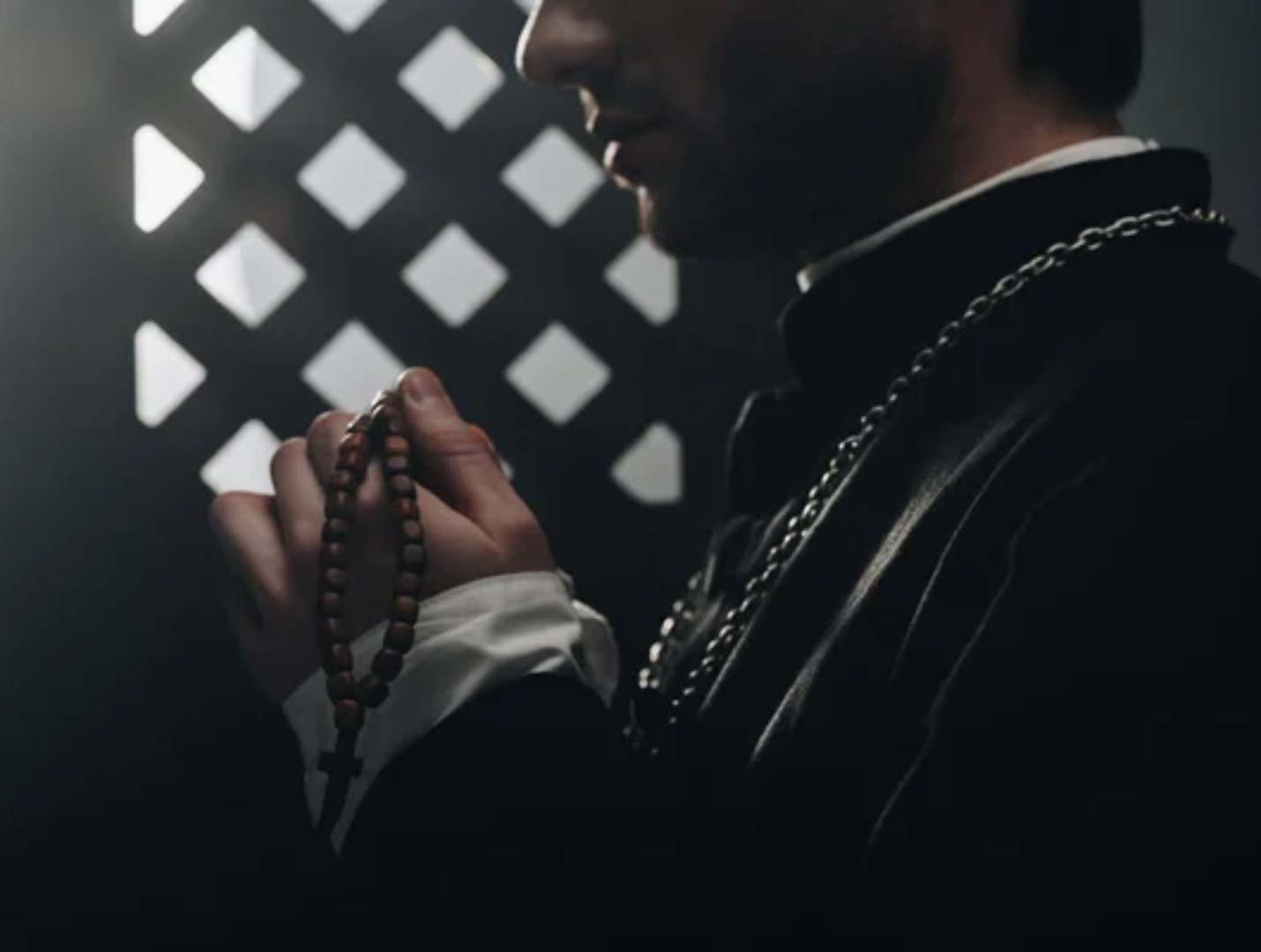
“Forgive me father for I have sinned,” Joey Maccoullah, told the elderly priest in the confessional while crossing himself reverently. “It has been several years since I confessed my sins to you and to God, though I’m certain, He knows.”

“Unburden yourself my son,” the father’s breath smelled of garlic and white wine that came from the slight opening of the partition. Since Joey was old enough, his family and friends called him Mac. He held himself with large boned, Irish stock with curly red hair that he kept covered with a baseball cap, though now he removed it prior to entering the confessional. Though he sat, his knees came well up past his lap, nearly touching his chest. He wore a flannel checkered shirt and dungarees of navy.

“My sins are many, too many to count,” Mac replied being purposefully evasive. “But dear father it’s the sin I’m about to do that will unforgiven.”

“Please, my son, bare your soul to me.” The holy father sounded impatient.

“When was the last time you saw the sun set?”

“I’m sorry? Um, I guess it’s been a while. Lately I haven’t left til very late in the evening.”

“Would you like to see the sun set, Father?”

The silence on the other side of the partition became apparent. Finally, he replied, “My son, you bewilder me. For me to forgive past transgressions, I must here your confession.”

“It’s now or never, Father.” Mac heard the priest shift about on the other side, as if the position he sat had become uncomfortable.

“At least give me one, your most urgent transgression, then I can give you solace through God, Our Holy Father.”

Lone Bouquet Outside Marshall Cemetery

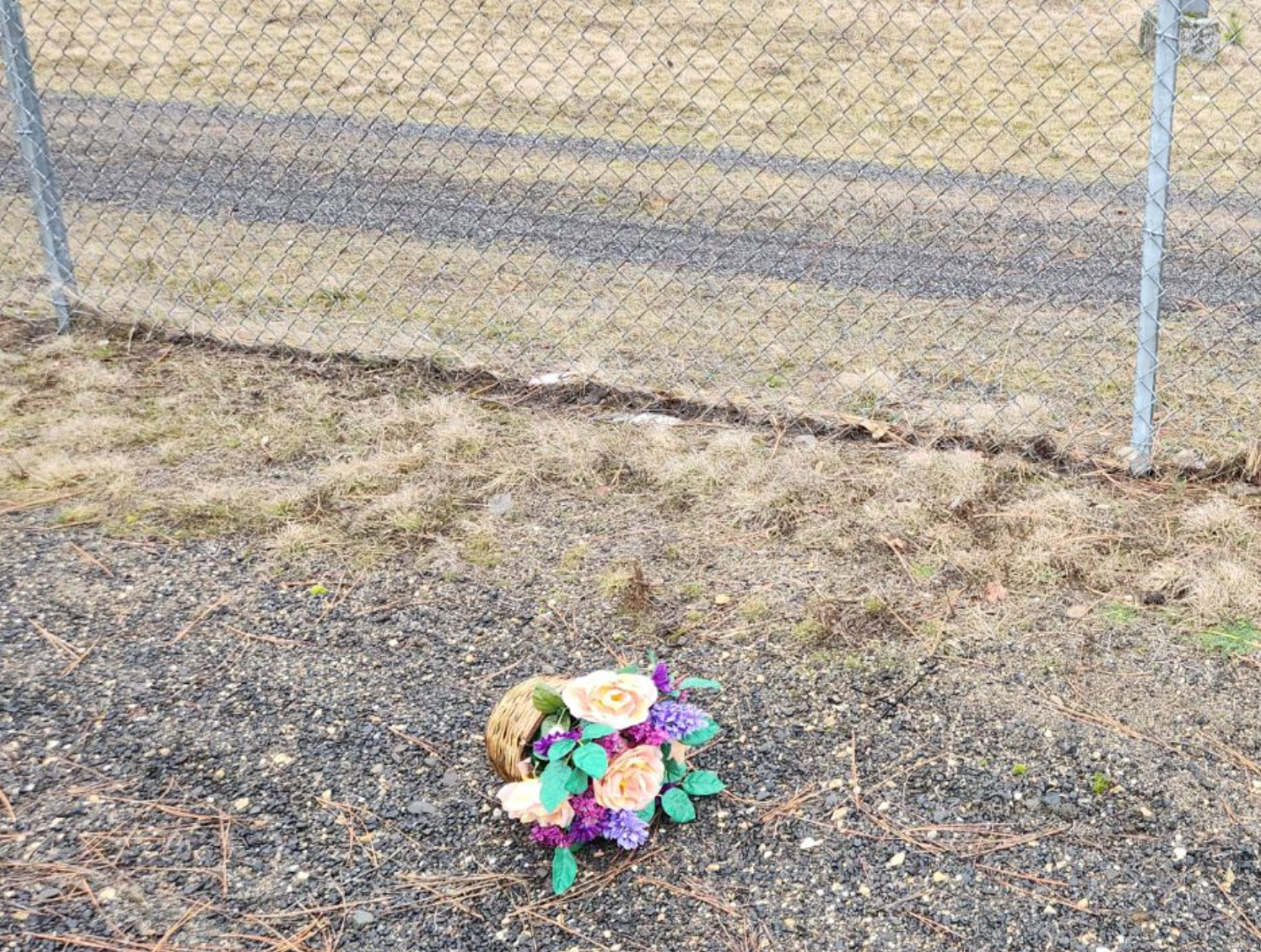
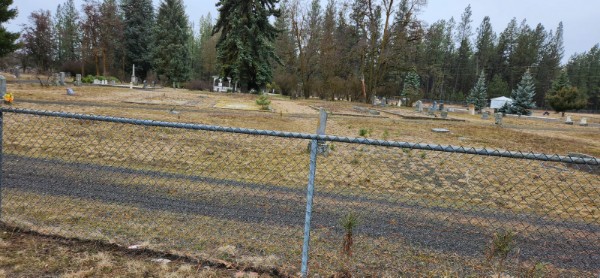
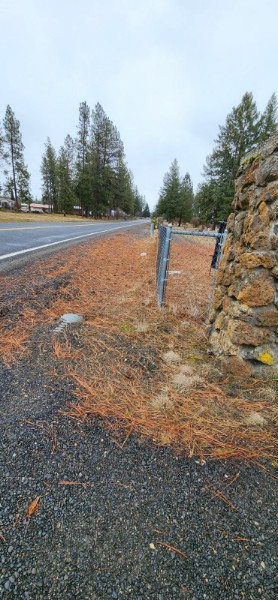
The other day I drove along Melville Road outside Cheney and just outside the chain link fence of Marshall Cemetery laid a lone bouquet. I’m sure it was more than likely left behind or discarded following a service the week prior. I could tell it more than likely appeared fake.

I’m sixty-five years old now and that day is slowly creeping up on me too. It is something I both dread and of course look forward to because after all, death and taxes are inevitable. When we’re young we don’t think about death or dying. We have grown accustomed to that being something our grandparents experience. Now I am that grandparent.

I looked out at the gravestones and flat grave markers and some crosses where the eternal residents reside. How they died, what their thoughts of things passed and yet to come, where they would go in the afterlife, whether their children and children’s children will remember them, and why here of all places.

It’s not a bad place; idyllic and serene, surrounded by pine and fir trees of varying lengths and shapes, and in the warmer seasons a lush lawn of green grass covers their eternal homes. I noticed many of the headstones were in disrepair. I wondered if the cemetery association or grounds people hired to tend this place also cared for the headstones, or was it the responsibility of the surviving family members? If that responsibility did rest with the family, then that will only last as long as that family member or children there after were well enough and able enough to do that necessary chore of love for their dearly departed.

Both my parents reside at the bottom of a couple of lakes near where my sister and I live. I know both mom and dad wished to be cremated but did not elaborate on what to do with their remains. We all just assumed they preferred what we did, rather than go through the added expense of placing them in a mausoleum. After all, after we are gone, who will take the time to clean their brass plaques? Who will lay a bouquet of fake flowers in front of their vault? Who will remember them in two hundred years?

All the cemeteries I ever happened upon, be it curiosity, a service, or no reason at all, such as today, those flowers are on those graves are there for as long as the living are not also residing next to them. After that there are no more flowers. Unless one is a veteran, as I am, no flags will adorn those graves either. They will be forgotten. The headstones will slowly deteriorate and fall into disrepair. Eventually, some real estate corporation will make an offer on the land and those graves will be removed and placed somewhere else.

My love for history dates back to when I was a young boy of ten and eleven when I took my dogs for long walks to an old cemetery far away from the town of East Wenatchee. The history of pioneering families coming to that part of Washington in the late nineteenth and early twentieth centuries spoke volumes to my young imagination and I was hooked.

After I graduated from Washington State, I took a job working for a cemetery, getting the gravesite readied and looking appropriate. After all, death is inevitable, but no one wants to be reminded of their own mortality and doing the various maintenance and lawn care tasks required to make this final resting place look welcoming. The hardest job I ever experienced, and to this day it still makes me emotional was the day I hand dug a grave for an infant. The soil was rocky, as if God had preordained this spot where His babies would find solace forever. Everywhere else on that cemetery, the earth had little to no rocks, but not here. Not on this spot where children from after birth to ten years old rested.

After I’m gone, I too intend to be cremated and I wish my ashes to fly freely in the winds where I can be remembered for the words, I wrote not a gravestone for fake flowers.